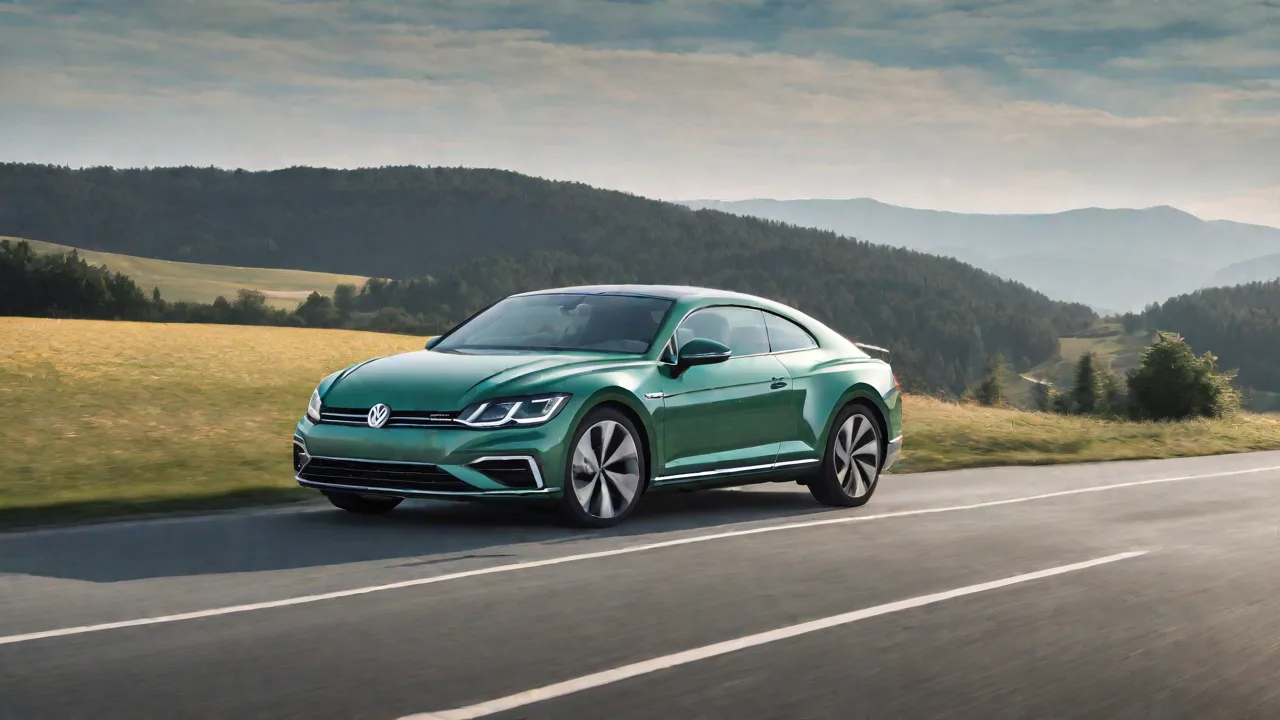
The Importance of a Test Drive Route When Buying a Volkswagen
When considering the purchase of a Volkswagen, one of the most crucial steps is taking the vehicle for a test drive. A well-planned test drive route can significantly influence your decision and ensure you choose the right car for your needs.
Why a Specific Test Drive Route Matters
A designated route allows you to experience the vehicle's performance in various driving conditions. It helps you assess handling, comfort, and features in a way that a short, random drive cannot provide.
Components of an Effective Test Drive Route
- City Streets: Test acceleration, braking, and maneuverability in urban traffic.
- Highway: Evaluate noise levels, ride comfort, and cruise control features at higher speeds.
- Hilly Terrain: Assess engine power, transmission, and braking on inclines and declines.
- Rough Roads: Check suspension quality and comfort over uneven surfaces.
Tips for Planning Your Test Drive Route
Before heading out, plan your route to include a mix of different driving environments. Discuss your plan with the dealer to ensure access to suitable roads. Be sure to include:
- Local streets with stop-and-go traffic
- Highways or freeways for highway driving
- Hilly or mountainous areas if available
- Rougher roads for suspension testing
Benefits of a Thoughtful Test Drive Route
Using a carefully planned route gives you a comprehensive understanding of how the Volkswagen performs in real-world conditions. It helps identify issues that might not be apparent on a short or simple drive. Additionally, it allows you to assess:
- Visibility and comfort
- Ease of handling and steering
- Noise levels and interior quietness
- Technology features and infotainment systems
Overall, a strategic test drive route is an essential part of making an informed decision when buying a Volkswagen. It ensures you experience the vehicle fully and confidently choose the right model for your lifestyle.